
What Is Digital Marketing? The Definitive Beginner’s Guide to Channels, Benefits, and Examples
On this page
- 01What Is Digital Marketing?
- 02Why Is Digital Marketing Important for Businesses?
- 03What Are the Main Types of Digital Marketing?
- 04How Does Digital Marketing Work?
- 05What Is the Difference Between Digital Marketing and Traditional Marketing?
- 06What Are Examples of Digital Marketing?
- 07Which Digital Marketing Channels Are Best for Beginners?
- 08How Do You Measure Digital Marketing Success?
- 09How Can Small Businesses Start with Digital Marketing?
- 10What Tools Are Used in Digital Marketing?
- 11What Should You Do Next?
- 12Conclusion
You probably already know digital marketing shows up in websites, ads, emails, and social media. What many beginners miss is how those pieces work together as one system to attract, engage, and convert customers. In this guide, we’ll explain what digital marketing is, the main types that matter, why it works, and how to start using it effectively.
01What Is Digital Marketing?
Digital marketing is the use of online channels to promote a brand, product, or service and connect with customers where they spend time on the internet. It includes search engines, websites, email, social platforms, paid ads, and content that helps people discover, trust, and buy from a business.
First, the simplest way to think about digital marketing is this: it is marketing that happens on digital devices. For example, a blog post that ranks on Google, an Instagram ad, and a welcome email sequence are all part of digital marketing.
Second, digital marketing is broader than just advertising. For example, a helpful article that answers a customer’s question can attract traffic, build trust, and support a sale without a direct hard sell.
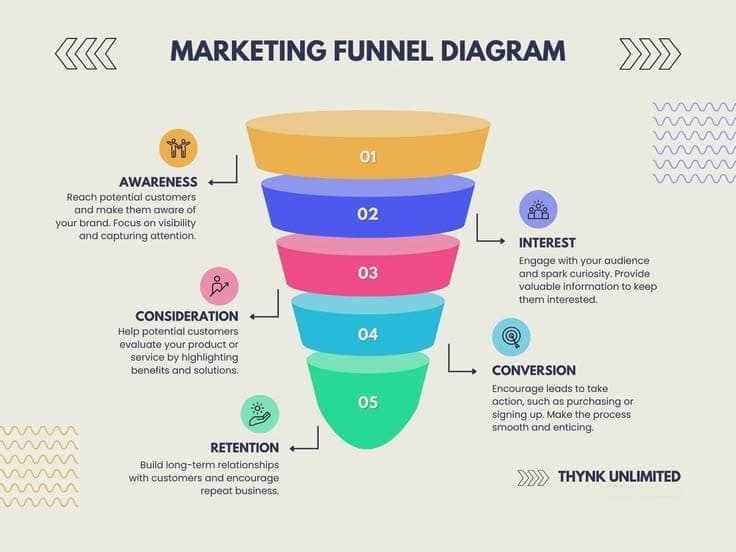
Digital marketing is not one tactic. It is a connected system of channels that move people from awareness to action. For example, someone may discover your brand through search, follow you on social media, join your email list, and buy later after seeing a retargeting ad.
If you want the strategy side, explore digital marketing strategy.
02Why Is Digital Marketing Important for Businesses?
Digital marketing is important because it helps businesses reach the right audience, measure performance, and improve results faster than many offline methods. It gives you more control over targeting, timing, message, and budget.
First, the scale is huge. In January 2024, there were 5.35 billion internet users worldwide — Source: DataReportal, 2024. In the same period, there were 5.04 billion social media users worldwide — Source: DataReportal, 2024. That means your audience is already online, and digital channels make it possible to reach them where they already spend time.
Second, digital marketing is measurable. You can see which pages get traffic, which ads get clicks, and which emails drive sales, which makes it easier to improve campaigns over time.
Third, the economics can be strong. Email marketing can return $36 for every $1 spent — Source: Litmus, 2023. That is one reason email remains one of the most valuable digital channels for nurturing leads and keeping customers engaged.
Digital marketing matters because it reduces guesswork. For example, you can test two headlines, compare the results, and quickly keep the version that performs better. That makes growth faster and more efficient.
03What Are the Main Types of Digital Marketing?
Digital marketing includes several major channels, and each one plays a different role in the customer journey. The best results usually come from combining a few channels that support the same goal.
First, here is a simple comparison of the main types:
| Type | Best For | Strength | Limitation |
|---|---|---|---|
| SEO | Long-term organic traffic | High intent, sustainable visibility | Takes time to build |
| Content Marketing | Trust and education | Helps every stage of the funnel | Needs consistency |
| Social Media Marketing | Reach and engagement | Fast audience interaction | Organic reach can vary |
| Email Marketing | Nurture and retention | Direct communication | Requires a quality list |
| PPC | Immediate traffic and testing | Fast results and precise targeting | Costs can add up |
| Affiliate Marketing | Performance-based sales | Low upfront risk | Less control over messaging |
| Display Advertising | Brand awareness | Wide visibility | Often lower intent |
Search Engine Optimization (SEO)
Search engine optimization is the process of improving a website so it can appear more clearly in search results for relevant queries. For example, a local bakery can optimize pages for “birthday cake delivery” so nearby customers can find it when they search.
First, SEO works because search traffic is intent-driven. If someone searches for a problem, product, or service, they are already showing interest.
Second, SEO usually includes keyword research, on-page optimization, technical fixes, and backlinks. If you want the research side, start with keyword research.
Content Marketing
Content marketing involves creating useful content that attracts, educates, and converts an audience over time. For example, a software company might publish tutorials, comparison pages, and onboarding guides that answer buyer questions before the sale.
First, content marketing helps people trust your brand. It works because useful content reduces uncertainty and shows expertise.
Second, content marketing supports SEO, social, and email campaigns at the same time. If you want the planning side, see content marketing strategy.
Social Media Marketing
Social media marketing is the use of social platforms to build awareness, engage audiences, and drive traffic or sales. For example, a clothing brand can use short-form video to show product styling ideas and direct viewers to a landing page.
First, social media works well for discovery and engagement. It is especially useful when your audience wants visual, timely, or community-driven content.
Second, it also supports remarketing and brand recall. If you want practical tactics, see social media marketing tips.
Email Marketing
Email marketing is a direct communication channel that uses email to nurture leads, retain customers, and drive repeat purchases. For example, an online store can send abandoned cart emails, product recommendations, and post-purchase follow-ups.
First, email remains powerful because you own the list. You are not dependent on a platform algorithm for every message.
Second, email also converts well when the audience already knows your brand. If you want setup guidance, see email marketing best practices.
Pay-Per-Click Advertising
Pay-per-click advertising is a paid digital marketing model where you pay when someone clicks your ad. For example, a home services company can run Google Ads for “emergency plumber near me” and reach high-intent searchers quickly.
First, PPC is useful when you need fast traffic or fast testing. It helps you validate offers, headlines, and landing pages without waiting for organic growth.
Second, PPC gives you detailed control over audience, budget, and placement. If you want to compare platforms, see pay-per-click advertising.
Affiliate Marketing and Display Advertising
Affiliate marketing is a performance-based model where partners promote your offer for a commission. Display advertising uses visual ads across websites and apps to build awareness and retarget visitors.
First, affiliate marketing can scale distribution without hiring a large sales team. For example, a creator may recommend a course and earn a commission only when a sale happens.
Second, display ads are often best for visibility and remarketing. They work especially well when someone has already visited your site and needs a reminder to come back.
04How Does Digital Marketing Work?
Digital marketing works by matching the right message to the right audience through the right channel at the right time. It is a system, not a single tactic.
First, the process usually starts with audience research. You identify who the customer is, what they need, and where they spend time online.
Second, you create content or ads that match that intent. For example, a search ad can target someone ready to buy, while a blog post can educate someone earlier in the journey.
Third, you measure what happens after the click. Digital marketing is measurable because businesses can track traffic, clicks, conversions, and return on investment across most channels.
A strong digital marketing system follows a simple path. It starts with discovery, moves to engagement, and ends with conversion. For example, a user may discover a brand through search, trust it through helpful content, and buy after an email follow-up.
05What Is the Difference Between Digital Marketing and Traditional Marketing?
Digital marketing uses online channels, while traditional marketing uses offline channels such as print, TV, radio, and billboards. Both can work, but they behave very differently.
First, digital marketing is usually more targeted and measurable. Traditional marketing often reaches broader audiences with less precise tracking.
Second, digital marketing can be adjusted quickly. For example, you can change an ad headline or landing page in minutes, while a printed flyer cannot be edited after distribution.
| Dimension | Digital Marketing | Traditional Marketing |
|---|---|---|
| Targeting | Highly specific | Broader and less precise |
| Measurement | Detailed and real time | Often estimated |
| Speed of changes | Fast | Slow |
| Cost control | Flexible budgets | Often higher fixed costs |
| Best use | Direct response, testing, growth | Mass awareness, local presence |
Digital marketing gives smaller businesses more flexibility. For example, a small brand can start with one ad campaign or one SEO article instead of paying for a large media buy.
06What Are Examples of Digital Marketing?
Digital marketing examples include blog posts, SEO pages, YouTube videos, social ads, email campaigns, Google Ads, product pages, and retargeting ads. These tactics work because they meet people at different stages of the buying journey.
First, a search-optimized blog post can attract people who are researching a topic. For example, a page titled “What Is Digital Marketing?” can bring in beginners looking for a definition.
Second, a retargeting ad can bring back visitors who did not convert the first time. For example, someone who viewed a pricing page can later see a reminder on another website or app.
Third, a welcome email series can turn a new subscriber into a qualified lead. If you want analytics support, see analytics and reporting.
Examples matter because they make the concept concrete. For example, SEO helps people find you, social media helps people remember you, and email helps people come back.
07Which Digital Marketing Channels Are Best for Beginners?
Digital marketing channels are best for beginners when they are simple, measurable, and aligned with one clear goal. Most beginners should start with SEO, content marketing, email marketing, and one paid channel.
First, SEO and content marketing build long-term visibility. They are strong choices if you want traffic that can compound over time.
Second, email marketing is ideal once you have a lead source. It helps you stay in touch, nurture trust, and drive repeat action.
Third, PPC is helpful if you want faster feedback. It can teach you which offers and messages convert before you invest heavily in organic growth.
The best beginner strategy is focus, not volume. For example, one strong blog post and one clear lead magnet can outperform a scattered presence across five platforms.
08How Do You Measure Digital Marketing Success?
Digital marketing success is measured by the business outcome you want, not just by clicks or impressions. The right metrics depend on whether your goal is awareness, leads, sales, or retention.
First, awareness metrics include reach, impressions, and branded search growth. These show whether more people are discovering your brand.
Second, conversion metrics include leads, form submissions, purchases, and sign-ups. These show whether your marketing is generating real business results.
Third, efficiency metrics include CTR, CPC, CPA, and ROI. If you want to improve conversions, see conversion rate optimization.
Metrics only matter when they connect to business goals. For example, high traffic is good, but high traffic with zero conversions is a warning sign.
09How Can Small Businesses Start with Digital Marketing?
Small businesses can start with digital marketing by choosing one audience, one goal, and one primary channel. The best approach is simple, focused, and consistent.
First, define your customer and write down the problem you solve. For example, a local salon may focus on first-time haircut bookings in one city.
Second, build one strong landing page or service page. Then publish content that answers common customer questions and supports that page.
Third, set up basic tracking before scaling. Use free tools like Google Analytics 4 and Google Search Console, and explore our notes on digital marketing tools.
Small businesses win with consistency. For example, one useful article published every week can build more momentum than a burst of random posts.
10What Tools Are Used in Digital Marketing?
Digital marketing tools help you research keywords, publish content, track traffic, manage email, and measure results. The right stack depends on your goals, but you do not need dozens of tools to begin.
First, free tools are often enough for beginners. Google Analytics 4, Google Search Console, and Google Trends can show you what people search for and how they behave.
Second, paid tools can save time as you grow. For example, SEO platforms, email automation tools, and ad managers can help you scale faster and work more efficiently.
A simple tool stack is usually enough at the start. For example, you can begin with one analytics tool, one search tool, one email platform, and one content publishing system.
11What Should You Do Next?
Digital marketing becomes effective when you start small, measure clearly, and improve one channel at a time. The fastest way to progress is to avoid trying to do everything at once.
First, choose one goal such as traffic, leads, or sales. Then select the channel that best fits that goal.
Second, build a simple system for publishing, tracking, and improving. For example, publish one helpful piece of content, promote it through email and social media, and review the results weekly.
Third, keep learning from the data. The businesses that win with digital marketing usually test more, learn faster, and refine their message more consistently.
Action beats theory here. For example, one clear CTA, one helpful article, and one tracking dashboard can create a repeatable marketing system.
12Conclusion
Digital marketing is the use of online channels to attract, engage, and convert customers in a measurable way. It works because it combines strategy, content, distribution, and data into one flexible system.
First, the best digital marketing plans are not the most complicated ones. They are the ones that match a clear goal, a real audience need, and the right channel mix.
Second, if you are just starting, focus on the basics, track your results, and improve step by step. That is how digital marketing becomes a practical growth engine instead of just a buzzword.
Digital marketing is learnable, measurable, and scalable. For example, a beginner can start with one SEO article, one email sequence, and one paid campaign, then improve from there.
13FAQ
Is digital marketing good for beginners?
Digital marketing is good for beginners because many channels are easy to start and measure. For example, a beginner can learn SEO, email marketing, and basic social media before moving to advanced campaigns.
Which digital marketing channel works fastest?
PPC usually works fastest because it can generate traffic soon after launch. For example, a Google Ads campaign can start producing clicks while SEO is still growing.
Is SEO part of digital marketing?
SEO is part of digital marketing because it helps people find your business online through search engines. For example, optimized blog posts and service pages can bring in organic traffic over time.
What is the most cost-effective digital marketing channel?
Email marketing is often one of the most cost-effective channels because it reaches people directly and supports repeat sales. For example, a welcome series can nurture new subscribers without ongoing ad spend.
Disclaimer: This article was initially drafted using AI assistance. However, the content has undergone thorough revisions, editing, and fact-checking by human editors and subject matter experts to ensure accuracy.